Missing Epstein Records: A Growing Concern
The investigation into Jeffrey Epstein’s extensive network of abuse is facing fresh scrutiny as reports emerge about dozens of potentially missing records. A review conducted by CNN has revealed that a significant number of FBI witness interviews, particularly concerning serious allegations against Epstein and former President Trump, are unaccounted for. This has raised alarm bells among lawmakers and advocates for transparency.
Key among the missing records are three interviews related to a woman who alleges that she was raped by Epstein starting at the age of 13, and later, during the 1980s, by Donald Trump. The absence of these documents has sparked calls for accountability from congressional officials, particularly from Democrats on the oversight committee, who argue that these records should be public. “I went to the DOJ file search room yesterday,” said one committee member, “and the documents that should be there are not. These relate to serious allegations against the president.”
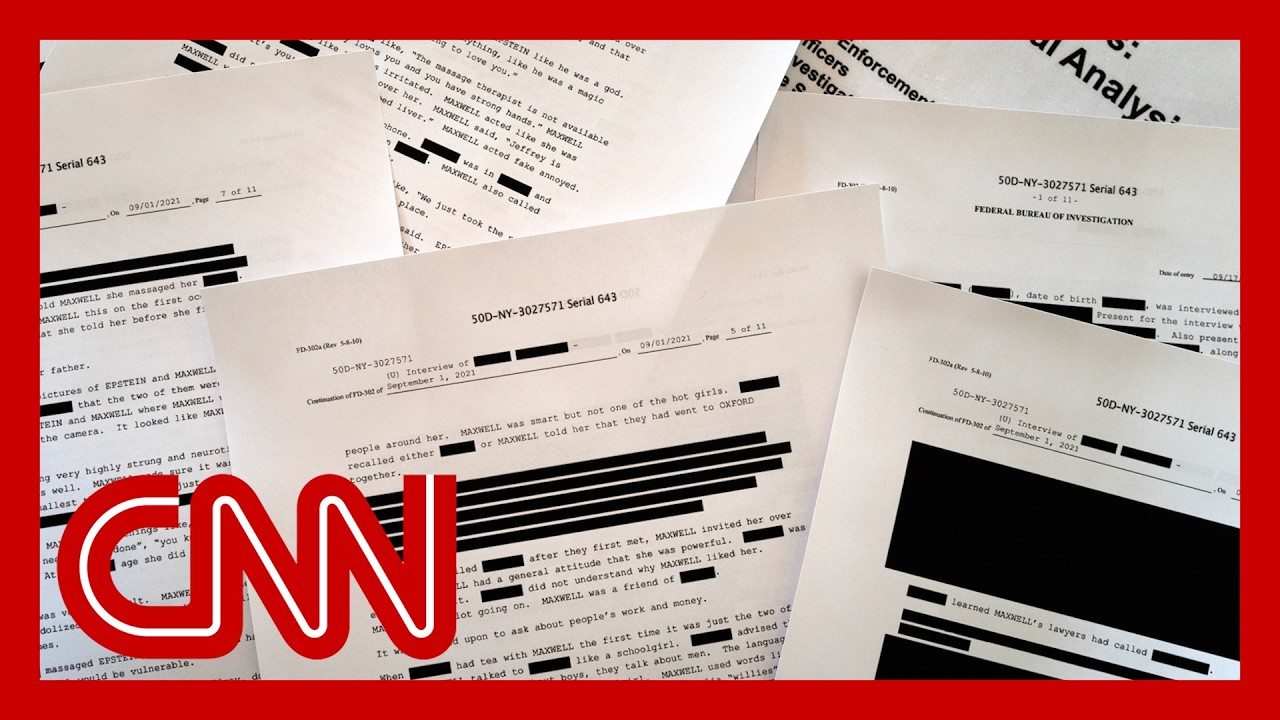
According to CNN’s investigative team, the process of identifying missing files involved examining serial numbers linked to evidence given to Epstein’s accomplice, Ghislaine Maxwell. Of the original 325 files on the list, approximately 90 are missing, raising questions about the integrity of the Justice Department’s processes. In response, the DOJ has stated that no documents have been deleted; any absence may be attributed to either duplicates or documents tied to ongoing investigations.
Reactions from various stakeholders underscore the complexity of the situation. The White House has dismissed the allegations against Trump as sensationalist and unfounded. However, the ambiguity surrounding the missing documents has hampered efforts to ascertain the truth. The DOJ has also faced criticism for inconsistencies in how documents are managed; records have been made public only to later disappear and then reappear on the public website. This seesawing raises suspicions about the department’s commitment to transparency.
In a press briefing, a Republican member of the oversight committee remarked on the DOJ’s response, indicating skepticism about the department’s efforts. “It appears clearer every day that they are willfully violating the law that requires them to turn over every responsive document,” he asserted. The frustration is palpable, particularly when considering that the DOJ is estimated to have withheld around half of the documents related to the Epstein case.
The allegations involving Trump are not being formally investigated at this time; the former president’s camp denies any wrongdoing. Still, the situation remains murky, particularly regarding a witness who claimed abuse yet declined to cooperate further. Critics have argued that this inaction complicates efforts to hold anyone accountable.
Congressman Dave Men, a member of the oversight committee from California, expressed that oversight efforts have been hindered by ongoing issues within the DOJ. “It is deeply troubling that over three million documents remain unaccounted for,” he emphasized. Men highlighted reports that suggested an internal effort to redact and hide documents related to Trump.
On the other side, Republican members of Congress, such as Congresswoman Ana Paulina Luna, have asserted confidence in the DOJ’s ability to investigate allegations of document removal. However, they acknowledged concerns about possible destruction of evidence, referencing a whistleblower who reported such activities occurring within the FBI.
The Epstein case, given its vast complexities and high-profile implications, continues to provoke intense debate. Some lawmakers express hope for transparency while others remain skeptical about the sincerity of ongoing investigations. The intersection of civil rights, high-profile politics, and legal accountability makes this situation increasingly charged as more information comes to light.
In essence, the missing records from the Epstein files are more than just bureaucratic oversights; they represent a profound challenge to public faith in justice. Congress faces the task of ensuring that both the past and current claims against influential figures are thoroughly examined. As the investigation unfolds, the imperative for accountability grows ever more urgent.